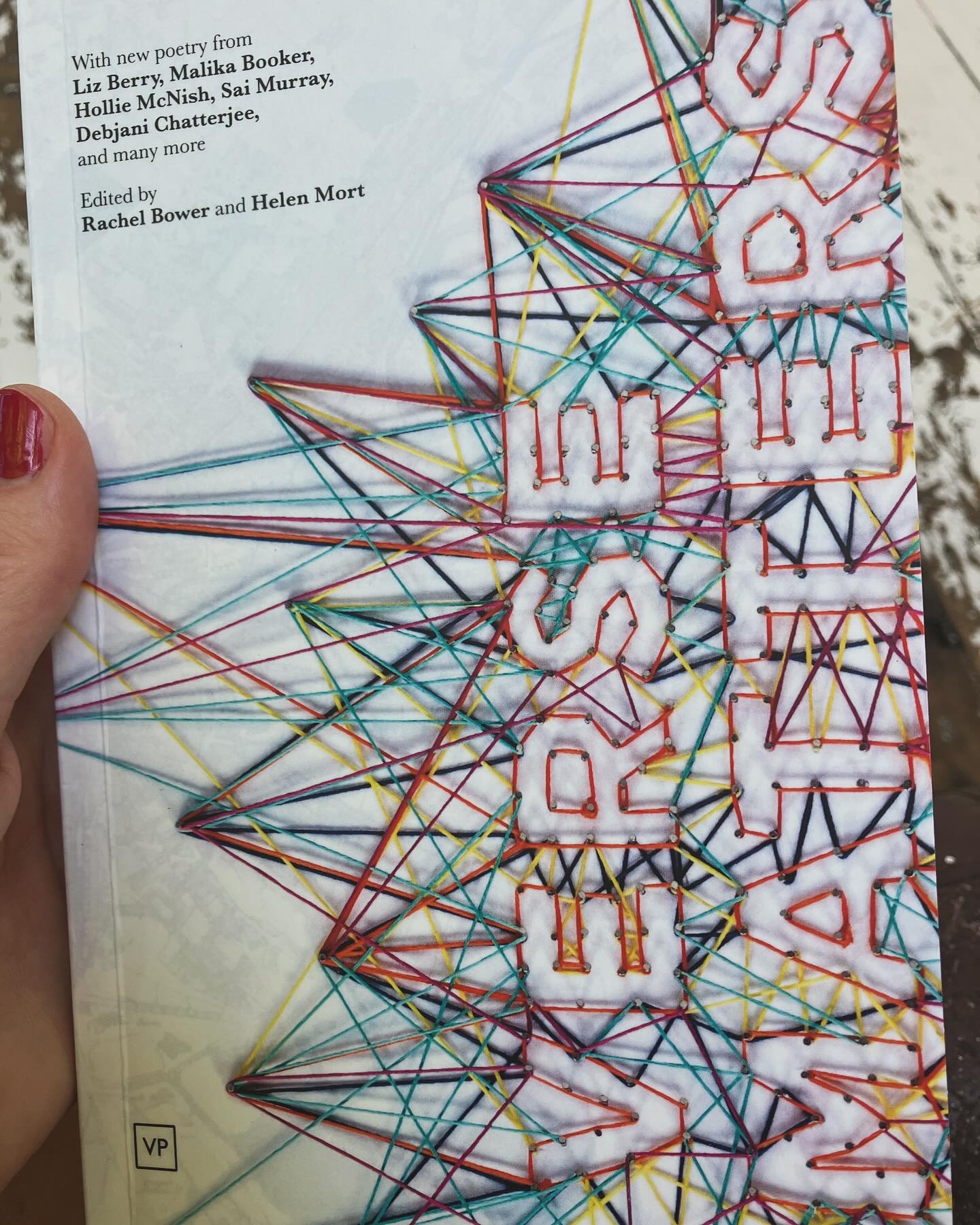
In 2017, Helen Mort and I edited an anthology, Verse Matters, which insisted on human connection, empathy and resistance in the face of systemic racism and dehumanisation. Some poems were by refugees who had sought sanctuary in the UK, while others were by more established poets like Malika Booker and Hollie McNish. In light of recent events, I wanted to share a couple of urgent poems from the book. The first is a poem of welcome by River Wolton:
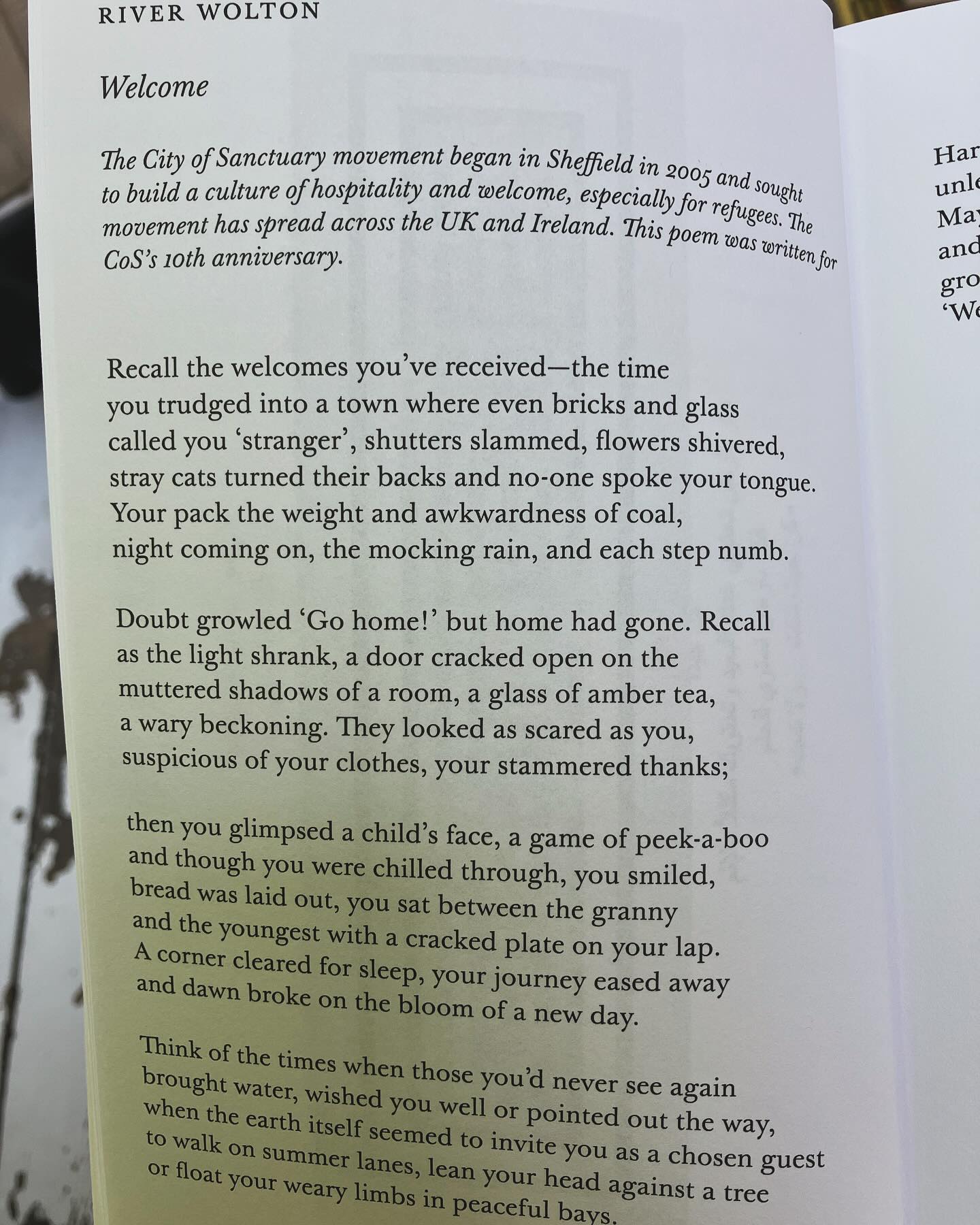
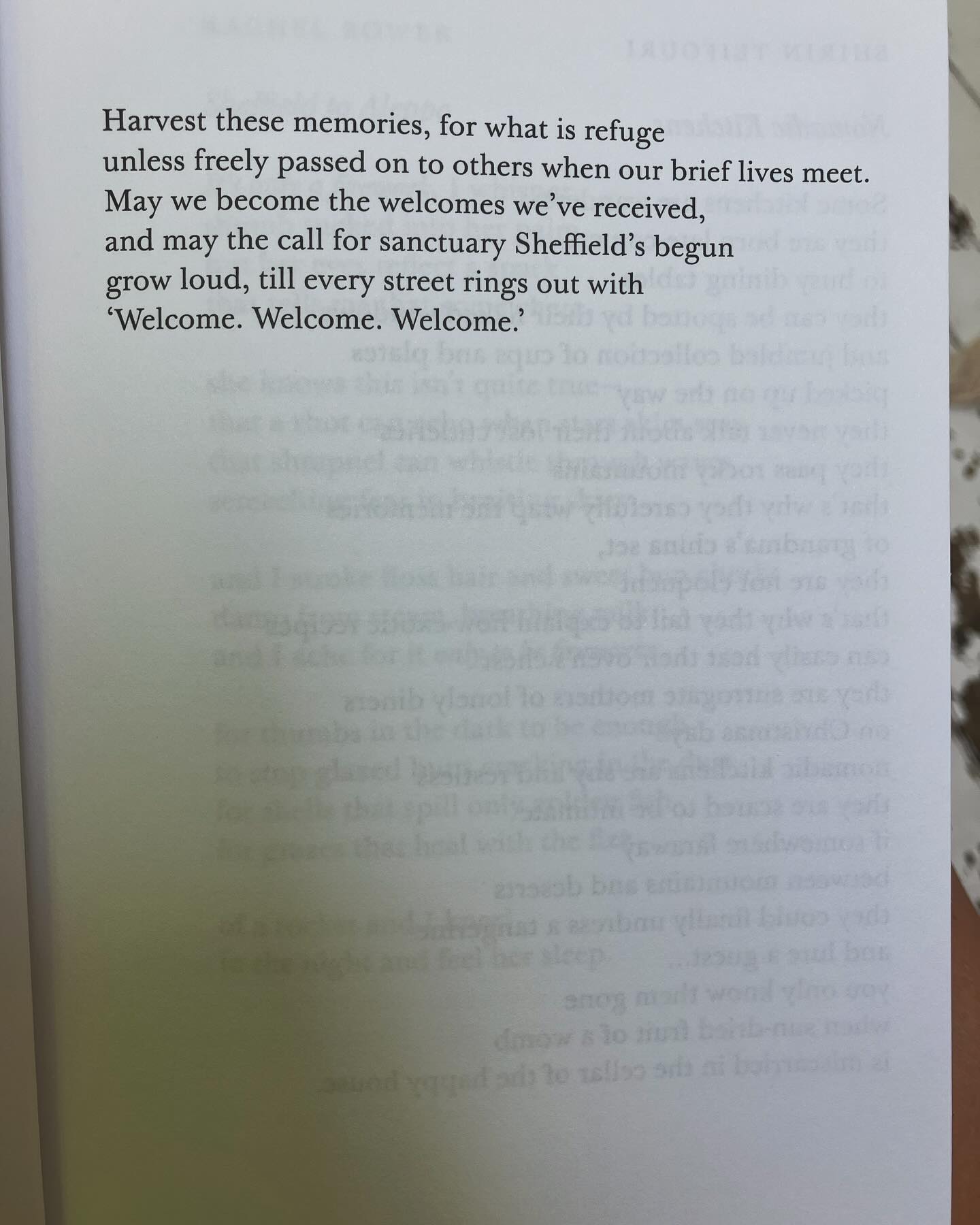
The second is a poem of survival and lament by Bashar Farahat, a paediatrician, poet and Syrian refugee (in Arabic and English translation):
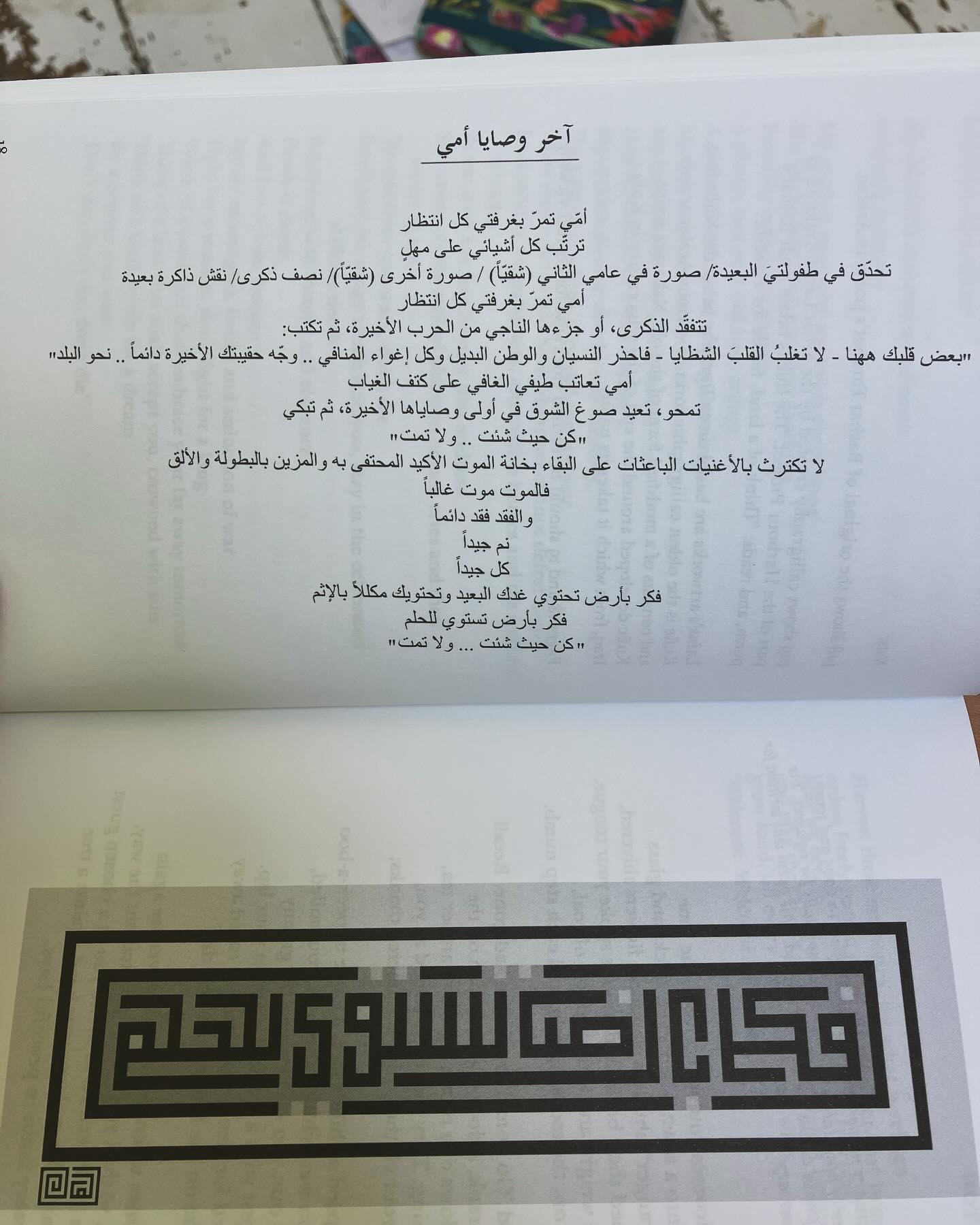
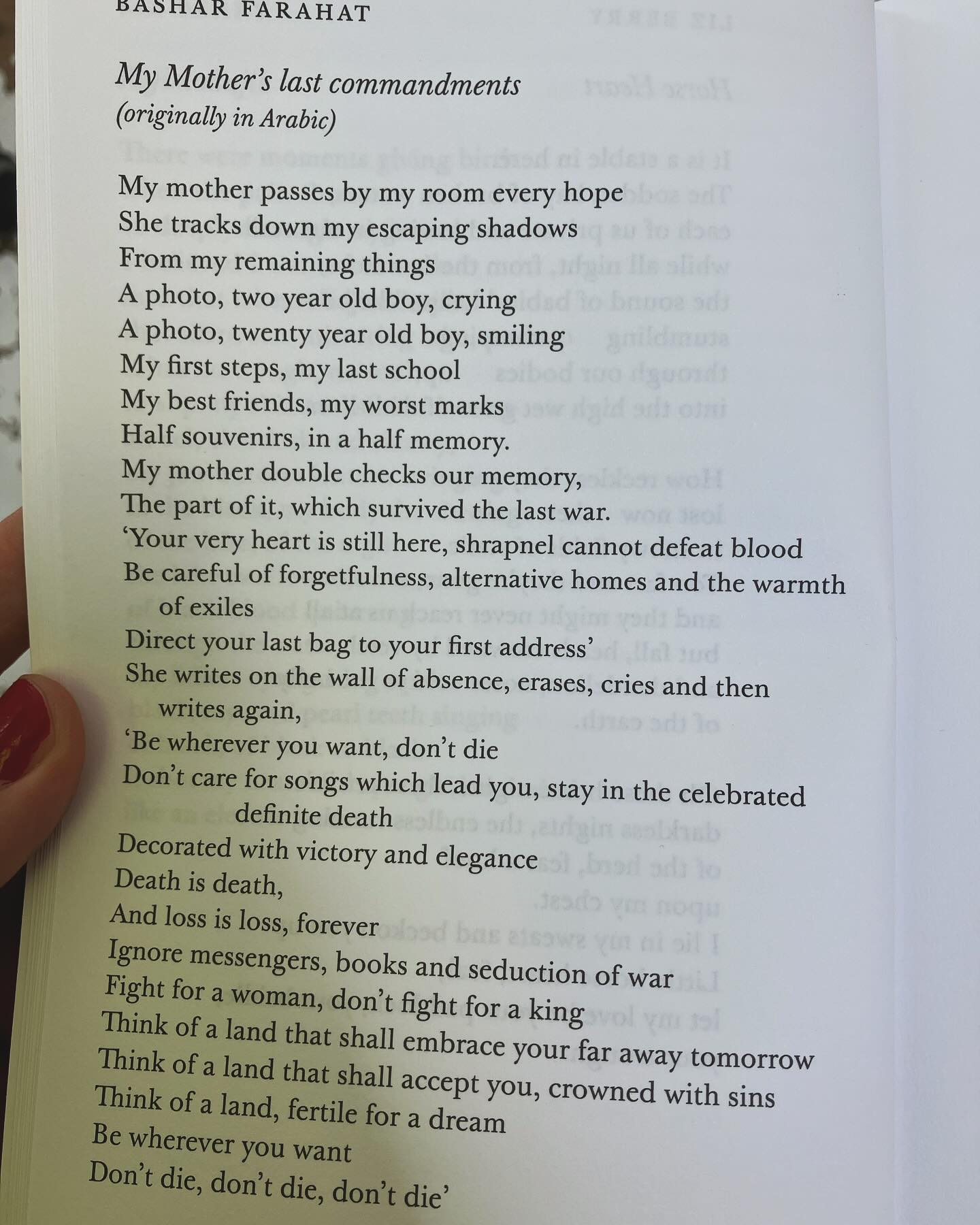
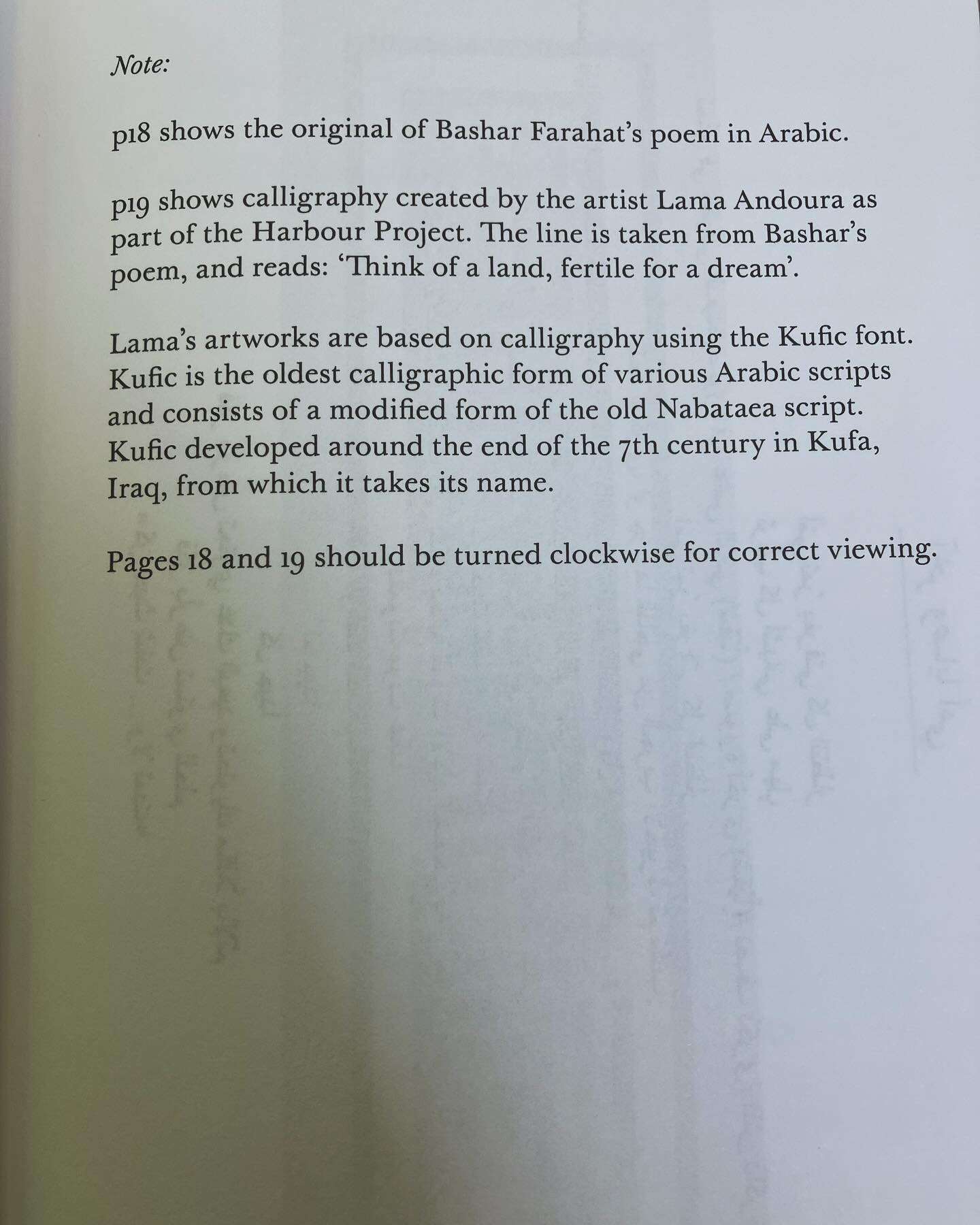
As River says, the City of Sanctuary movement began in Sheffield, and still strives to create a city that is safe and welcoming for all. A couple of years before we edited the anthology, I worked with a brilliant team as part of the Material Stories of Migration project to explore ideas of home, language, migration and belonging with a group of people from diverse cultural backgrounds, all of whom were migrants to Sheffield. The collective poem, Grapes in my Father’s Yard, that came as a beautiful surprise out of this project includes six languages (Hindi, German, Kurdish, Arabic, Farsi and Romanian) in which the line ‘I want to belong’ is articulated. The poem was performed at Sheffield’s incredible Migration Matters Festival and has since been shared widely in digital and material forms.
I want to say I am lost between grammars
You can read more about our process of developing the collective poem and the power of stories in this article, which I wrote with Veronica Barnsley and Shirin Teifouri, published in Crossings 13.2 (full repository text).
As we say in the article, the poem is ‘its own story. It is an uncomfortable one, without a single narrative: a twining together of distinct stories which cannot be homogenized or integrated into a single voice. The poem honours the uniqueness of the voices it contains, while acknowledging the connections between them. It is a poem about the changing meaning of ‘home’, acknowledging what survives and what is left behind.’
 Rachel Bower